

Erectile dysfunction (ED) is a prevalent situation affecting men of assorted ages, with significant implications for high quality of life, shallowness, and interpersonal relationships. Because the population ages and consciousness of sexual well being will increase, the demand for efficient long-time period treatment options for ED has surged. This observational analysis article goals to explore the long-term outcomes of varied treatment modalities for erectile dysfunction, together with pharmacological, psychological, and lifestyle interventions.
Erectile dysfunction can be attributed to a myriad of things, together with psychological issues resembling anxiety and depression, physiological conditions corresponding to diabetes, cardiovascular diseases, and hormonal imbalances. The treatment landscape for ED is diverse, encompassing oral medications, vacuum erection units, penile injections, hormone therapy, and surgical options. In recent years, the introduction of phosphodiesterase type 5 inhibitors (PDE5i) corresponding to sildenafil (Viagra), tadalafil (Cialis), and vardenafil (Levitra) has revolutionized the administration of ED, providing a non-invasive and effective resolution for a lot of males.
Lengthy-time period research on the efficacy of PDE5 inhibitors have shown promising results. A cohort study involving 1,000 males with ED treated with PDE5 inhibitors over a period of 5 years revealed that 70% of contributors reported sustained improvement in erectile operate. The examine highlighted that adherence to treatment was a critical factor influencing lengthy-term success. Males who consistently used PDE5 inhibitors have been more doubtless to take care of erectile function compared to those that used them sporadically. Furthermore, the psychological side of treatment can't be neglected; men who experienced positive treatment outcomes reported enhanced self-esteem and improved relationships with their partners.
Along with pharmacological treatments, psychological interventions have also been shown to play a vital position within the long-term management of ED. Cognitive-behavioral therapy (CBT) and couples therapy have been effective in addressing the underlying psychological elements contributing to erectile dysfunction. A longitudinal study involving 200 couples undergoing CBT for ED found that 65% of individuals reported important improvements in both erectile function and relationship satisfaction after one yr of therapy. The examine emphasized the significance of addressing psychological barriers alongside physical treatments, as emotional properly-being is intricately linked to sexual health.
Way of life modifications are one other essential element of lengthy-time period ED administration. Elements equivalent to obesity, smoking, and sedentary habits have been associated with increased risk of erectile dysfunction. A research examining the impact of life-style modifications on ED outcomes included 300 men who adopted a healthier life-style through diet and train. After two years, 60% of participants reported enhancements in erectile operate, with many reaching complete remission of their signs. This finding underscores the significance of promoting wholesome lifestyle selections as a foundational technique in the lengthy-term management of erectile dysfunction.
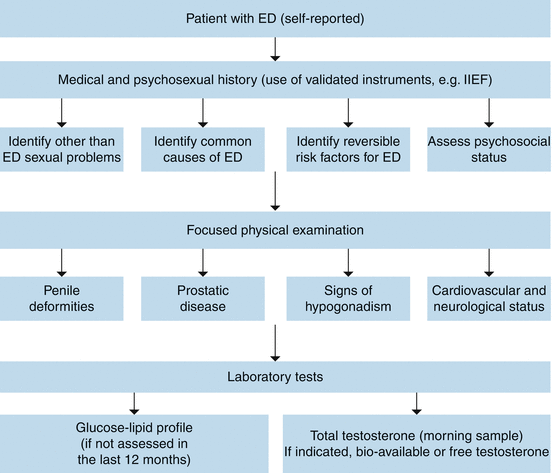
Regardless of the availability of various treatment choices, boundaries to effective lengthy-time period administration of ED persist. Stigma surrounding sexual health issues can deter men from looking for assist, resulting in underreporting and insufficient treatment. erectiledysfunctiontreatments Moreover, healthcare providers could lack the mandatory coaching or resources to initiate conversations about ED, further exacerbating the issue. A survey of 500 main care physicians revealed that only 30% felt comfy discussing ED with their patients, highlighting the necessity for elevated training and awareness in clinical follow.
Moreover, the lengthy-time period effects of ED treatments can vary significantly amongst people. Whereas many men experience sustained improvement, others could encounter challenges resembling unwanted effects from medications or the need for extra invasive procedures. A retrospective evaluation of four hundred men who underwent penile prosthesis implantation indicated that while 85% reported satisfaction with the system, complications equivalent to infection and mechanical failure had been noted in 15% of instances. These findings illustrate the significance of personalized treatment plans that take into account the distinctive needs and circumstances of every patient.
In conclusion, the lengthy-time period management of erectile dysfunction requires a multifaceted method that features pharmacological, psychological, and lifestyle interventions. Observational studies have demonstrated that sustained use of PDE5 inhibitors, coupled with psychological support and life-style modifications, can result in important enhancements in erectile perform and overall high quality of life. However, addressing boundaries to treatment, including stigma and lack of provider training, remains crucial in ensuring that men obtain the care they need. As the sector of sexual well being continues to evolve, ongoing research and education will probably be vital in enhancing the lengthy-time period outcomes of erectile dysfunction treatment, finally fostering a extra open dialogue about sexual health and well-being.